
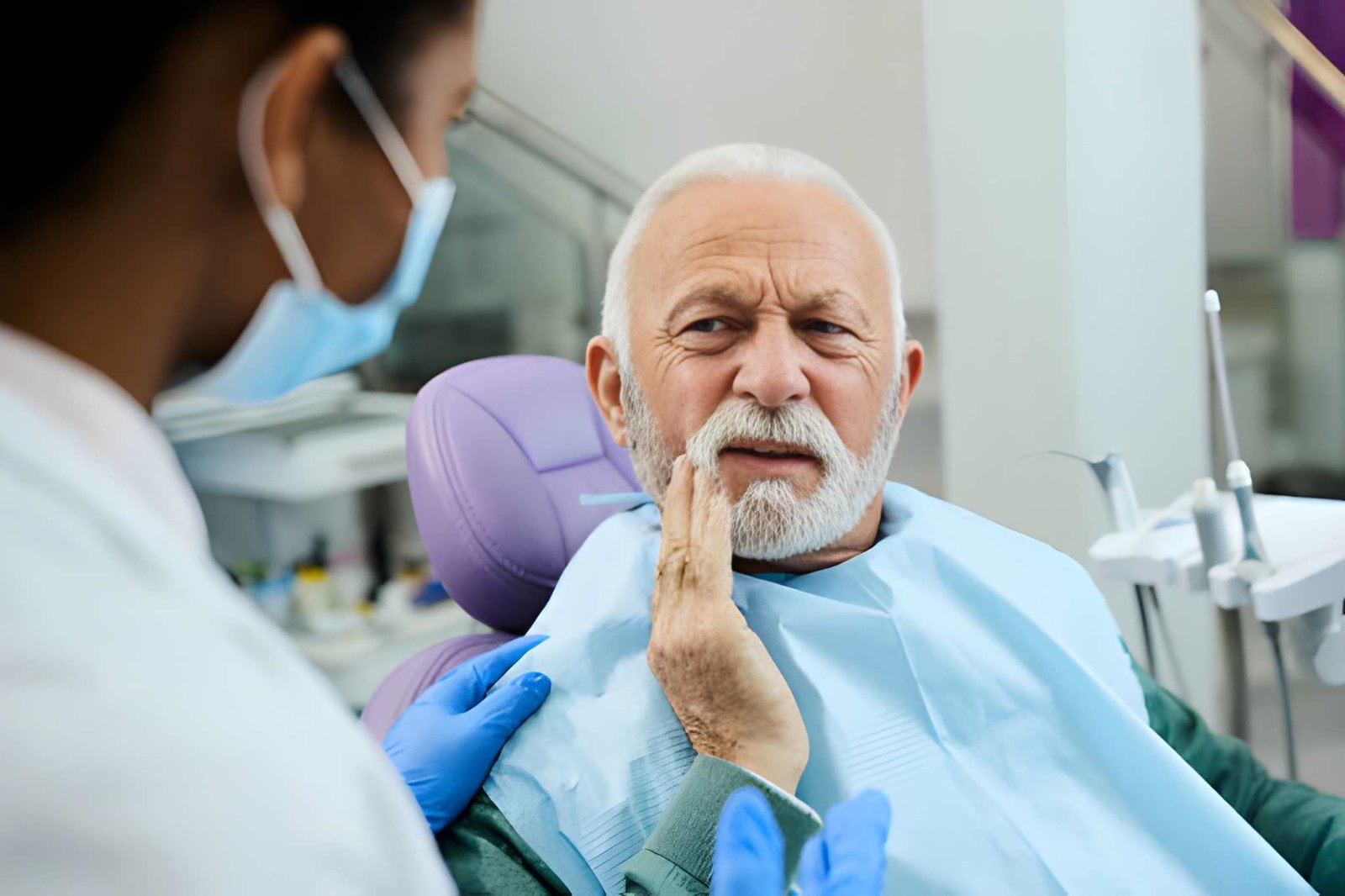
When a tooth starts hurting badly enough to interrupt your day—or keep you awake at night—it can be difficult to think about anything else. You want relief, and you want to know what’s wrong. Sudden tooth pain can come from several different problems, including a crack, deep decay, or an infection, and the symptoms can overlap. At Upshaw Dental Studio, we help patients find the source of the pain and understand what treatment can address it. If you’re experiencing severe or worsening tooth pain in Tampa, call for guidance rather than trying to wait it out.
Common Causes of Sudden Tooth Pain
The hard outer layers of a tooth protect the soft tissue inside, called the pulp, which contains nerves and blood vessels. Damage that starts on the outside, such as a crack or cavity, can eventually irritate or infect that inner tissue. Pain can also develop in the gums and other tissues surrounding the tooth.
Where you feel the pain does not always tell us exactly where it began. We look at your symptoms alongside an examination and, when needed, dental X-rays and tests to identify the cause.
Tooth infections and abscesses
When bacteria reach the pulp through decay or damage, an infection can develop inside the tooth and spread into the tissues around its root. An abscess is a collection of pus associated with an infection. It can form near a tooth’s root or in the gums.
Possible symptoms include persistent pain, tenderness when chewing, swelling, a pimple-like bump on the gum, or a bad taste from drainage. Some infections cause significant pain, while others are less noticeable. The absence of severe pain does not make an abscess safe to ignore.
Call promptly if you notice these symptoms. Swelling around your eye or neck, or difficulty breathing, swallowing, or speaking, requires immediate emergency medical care. Call 911 if you need emergency assistance.
Cracked or fractured teeth
A cracked tooth may hurt when you bite down, when you release your bite, or when something hot or cold touches it. The discomfort can come and go, making it tempting to avoid chewing on that side and hope the problem settles down.
Cracks can develop after an injury or through years of wear. As the damaged tooth flexes during chewing, it can irritate the pulp. A deeper crack may also allow bacteria to reach the inside of the tooth.
Treatment depends on the crack’s location and extent. Some teeth can be protected with a restoration, while others need root canal treatment or cannot be saved. Because a crack does not heal on its own, having it evaluated early gives us the best opportunity to protect the tooth.
Exposed nerves or deep decay
Patients sometimes describe sharp tooth pain as an “exposed nerve.” That can happen with substantial damage, but sensitivity does not always mean the nerve is directly exposed. A tooth can become sensitive when its protective covering is compromised, allowing temperature changes to affect the underlying layers.
Deep decay can irritate the pulp before you see an obvious hole or broken area. You may notice pain that lingers after a hot or cold drink, spontaneous aching, or discomfort that becomes difficult to ignore. Lingering temperature sensitivity deserves prompt evaluation because it can indicate significant pulp damage. At Upshaw Dental Studio, we assess how deeply the tooth is affected before recommending emergency treatment.
What to Do While Waiting to See an Emergency Dentist
Call first so the dental team can help determine how quickly you need care. Explain when the pain began, what triggers it, whether you have swelling or a fever, and what medication you have already taken.
Temporary measures may make you more comfortable while you arrange an appointment, but they cannot repair a crack or remove the source of an infection.
What helps and what to avoid
These steps can help you manage discomfort safely:
- Use an appropriate over-the-counter pain reliever. Ibuprofen or acetaminophen may help if you can safely take them. Follow the label, and ask a pharmacist or your healthcare professional if you are unsure because of a medical condition, pregnancy, or other medications. Do not exceed the recommended dose or take multiple products containing the same active ingredient.
- Choose soft foods. Avoid chewing on the painful tooth, and skip very hot, cold, or sweet foods if they trigger symptoms.
- Clean gently. Use a soft toothbrush rather than scrubbing the sore area.
- Try a gentle saltwater rinse. Adults who can reliably rinse and spit may use half a teaspoon of salt dissolved in a glass of warm water. Spit it out rather than swallowing it. This may soothe the area, but it does not cure an infection.
Avoid placing aspirin or crushed pain medication directly against the tooth or gum; it can burn the tissue. Do not try to drain a swollen area yourself. Leftover antibiotics and someone else’s prescription are also unsafe substitutes for an examination. If pain eases after a home-care measure, keep the appointment so we can determine why it started.
FAQs About Emergency Tooth Pain
Can tooth pain go away on its own?
Some temporary sensitivity can settle down, particularly after recent dental treatment. However, relief alone does not confirm that a tooth is healthy. Pain from a cracked tooth can come and go, and an infected tooth may not always hurt.
If you have had severe, recurring, or unexplained pain, have it checked even if you feel better by the time your appointment arrives. Tell us what the pain felt like, how long it lasted, and what seemed to trigger it. Those details remain useful after symptoms ease.
Should I take antibiotics for tooth pain?
Only when a dentist or other treating clinician determines they are needed. Antibiotics are not pain relievers, and many toothaches need dental treatment rather than an antibiotic prescription.
For most otherwise healthy adults, pain caused by inflamed pulp or a localized dental infection can often be addressed through treatment of the tooth or drainage when appropriate. Antibiotics may be necessary when an infection is spreading, causes symptoms such as fever or feeling generally unwell, or in certain circumstances when immediate dental treatment is unavailable. Your medical history also affects that decision.
Even when antibiotics are prescribed, follow-up dental care remains essential to address the source. Do not start leftover antibiotics, share a prescription, or delay your appointment while waiting for medication to work.
Is throbbing pain always an infection?
No. An infection can cause throbbing pain, but inflamed tissue inside a tooth can also produce persistent or spontaneous discomfort. Cracks and deep decay can contribute to that inflammation.
The rhythm or intensity of pain cannot establish a diagnosis by itself. We also consider whether the tooth responds to temperature, hurts with biting, or has swelling nearby. Throbbing pain that persists or disrupts sleep deserves an urgent call, whether or not you can see swelling.
Relief for Emergency Tooth Pain in Tampa
You do not need to know whether you have a cavity, a crack, or an infection before asking for help. If tooth pain is interrupting your sleep, making meals difficult, or getting worse, contact Upshaw Dental Studio and tell us what you’re experiencing.
Our Tampa office offers same-day emergency dental care for new and existing patients. Call as soon as possible so we can discuss your symptoms, arrange an evaluation, and help you understand the next step toward relief.